September 26, 2026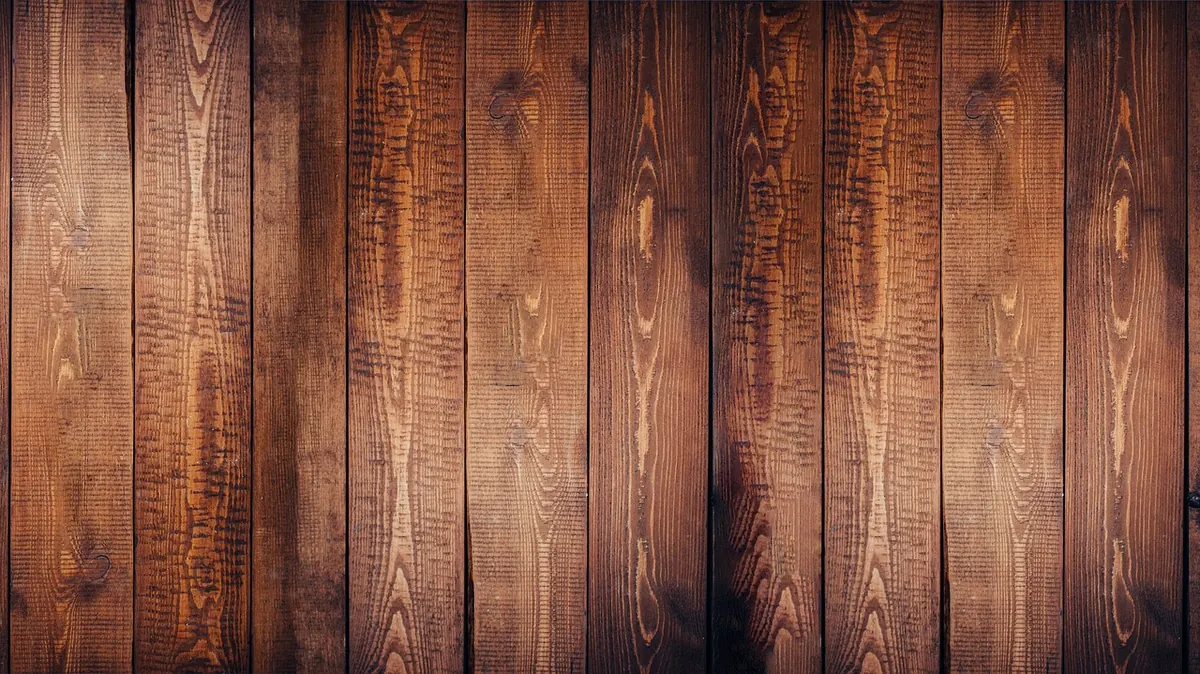
You walk into a room and the floor sets the tone. Maybe you're updating a tired kitchen, finishing a basement, or replacing carpet that has seen better days. Laminate, engineered wood, and solid hardwood are the three most common choices for good reason: each can look beautiful, but they behave very differently underfoot. The right pick depends on your budget, your tolerance for maintenance, and how long you plan to live with the result.
What Each Flooring Option Really Is
Before comparing numbers, it helps to know what you're actually buying.
Laminate
Laminate is a composite floor. It starts with a dense fiberboard core, topped with a high-resolution photographic layer that mimics wood or stone, and sealed under a clear wear layer. It clicks together as a floating floor, meaning it doesn't attach to the subfloor. The look can be convincing, especially in matte finishes, but it is not wood.
Engineered Wood
Engineered wood uses a real wood veneer—typically a few millimeters thick—bonded to a plywood or high-density fiberboard core. That construction makes it more dimensionally stable than solid wood, so it handles humidity swings better. The surface is genuine wood, which means it takes stain and finish like wood, but the core does the heavy lifting.
Solid Hardwood
Solid hardwood is exactly what it sounds like: a single piece of wood, usually three-quarters of an inch thick, milled with a tongue and groove. It can be sanded and refinished many times over its life. It also moves with the seasons, which is why it needs careful acclimation and a stable indoor environment.
Cost: What You'll Pay Up Front
Laminate is the least expensive of the three, both for materials and installation. Many homeowners can install a click-lock laminate themselves over a suitable subfloor, which saves labor. Engineered wood sits in the middle. The material costs more than laminate, and installation usually requires a professional, especially if you want a glued-down or nail-down application. Solid hardwood is the premium option. The wood itself is costly, and installation is a skilled trade.
Don't forget the extras: underlayment, transition strips, baseboards, shoe molding, and disposal of old flooring. If you're hiring a contractor, get at least three quotes and ask what's included. A lower bid that excludes moving furniture or leveling the subfloor isn't really lower.
Durability: How They Handle Real Life
Durability isn't one thing. It's scratch resistance, dent resistance, moisture tolerance, and how well the floor can be repaired.
- Laminate has a tough wear layer that resists scratches and scuffs well. It can handle kids, pets, and high traffic. But it is vulnerable to standing water. A leak that sits can swell the core and ruin the planks. It also cannot be refinished—once the wear layer is damaged, you replace the plank or the floor.
- Engineered wood shows scratches and dents more readily than laminate because the surface is real wood. The upside is that you can usually refinish it once or twice, depending on veneer thickness. Its stable core makes it a good fit for basements and rooms with humidity changes, provided you keep moisture in check.
- Solid hardwood dents and scratches, but those marks can be sanded out. It can be refinished multiple times over decades. It is the least forgiving of moisture; spills should be wiped up promptly, and indoor humidity should stay fairly consistent.
Maintenance and Repair: Day-to-Day Care
All three floors are easier to live with than carpet, but they ask for different habits.
For any of them, the basics are the same: sweep or vacuum often, use felt pads under furniture, and place mats at exterior doors. Wipe up spills quickly. Avoid soaking the floor with a wet mop.
- Laminate: Use a damp mop or a laminate-specific cleaner. Never wax or polish it. If a plank is damaged, click-lock floors can sometimes have a single plank replaced, but matching an older style can be tricky.
- Engineered wood: Clean with a wood-floor cleaner and a slightly damp cloth. Refinishing is possible, but it's a job for a professional if you want a seamless result.
- Solid hardwood: Same cleaning routine, plus occasional refinishing every decade or so, depending on wear. That long-term maintenance cost is worth factoring into your budget.
If you have pets, think about claw marks. Laminate holds up best against scratches. Engineered and solid wood will show character—some call it patina—but if you want a flawless floor, you'll need to manage expectations or choose a hand-scraped or matte finish that hides marks.
Resale Impact: What Buyers See
Real wood floors—whether engineered or solid—tend to appeal to buyers. They signal quality and warmth, and many buyers specifically search for homes with hardwood. Laminate has improved dramatically, but some buyers still see it as a budget material. A high-quality laminate that looks convincing is far better than worn carpet, but it may not command the same premium as real wood.
That said, resale value depends on your local market. In some neighborhoods, buyers care more about condition and layout than flooring material. In others, hardwood is expected. Before you invest, ask a local real estate agent what buyers in your area respond to. A quick conversation can save you from over-improving for your block.
A Simple Way to Choose
Run through these questions before you commit:
- How long will you stay? If you're moving in two years, laminate or engineered wood may make more sense. If this is your forever home, solid hardwood can be worth the investment.
- What's your moisture situation? Bathrooms, basements, and laundry rooms are risky for solid hardwood. Engineered wood handles humidity better; laminate can work if you're diligent about leaks.
- Who lives there? Large dogs, kids with juice boxes, and high heels all take a toll. Laminate is the most forgiving of scratches. Real wood shows wear but can be restored.
- What's your tolerance for maintenance? Solid and engineered wood need occasional refinishing. Laminate needs none, but it can't be repaired the same way.
- What's your budget—really? Include installation, underlayment, trim, and any subfloor prep. The cheapest material can become expensive if the subfloor needs work.
Before You Commit
Order samples and live with them for a week. Look at them in morning light, evening light, and under the lamps you actually use. Check how they feel underfoot and how they handle a dropped key. If you're installing over concrete, test for moisture first; no floor tolerates a damp slab for long. And if you're hiring an installer, ask to see a recent project in person. A good installation makes an average floor look great, while a bad one ruins the best material.
Whichever you choose, plan for the long term. A floor is one of the few home upgrades you touch every single day. Choose the one that fits your life now, and you'll be happy with it for years.
Photo: messomx / Pixabay