October 08, 2026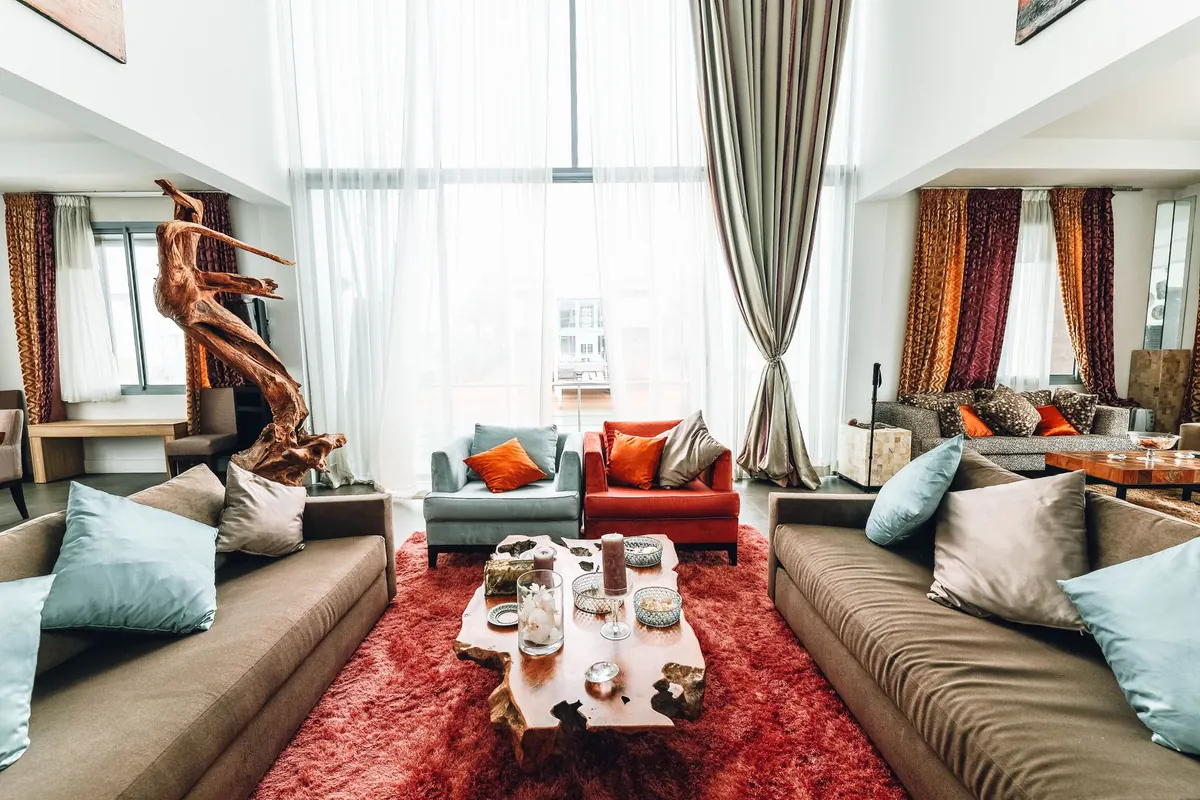
An open-plan room is a pleasure until you have to furnish it. One long space has to hold a sofa, a dining table, maybe a desk and the path between the kitchen and the front door, and a single rug rarely solves all of it. Layering two rugs is the quiet trick that gives each area its own edge without adding a wall.
Done well, layering defines zones, softens a hard floor and makes a large expanse feel intentional rather than half-finished. Done badly, it looks like two rugs arguing with each other. The difference comes down to three things: size, placement and texture.
Start With the Base Layer, Not the Pretty One
The base rug is the workhorse, and it should be bigger than feels comfortable at first. In a living zone, it needs to sit under the front legs of every main seat, and ideally under all four legs of the sofa and chairs. A rug that stops short of the seating looks like a bath mat that wandered into the wrong room.
Large flatweaves, jute, sisal and low-pile wool are your friends here. They come in generous sizes, wear well under foot traffic, and stay visually calm, which matters because the base is often the backdrop for everything else in the room. A subtle stripe or basket weave is plenty of pattern.
Before you buy, tape the outline on the floor with painter's tape and leave it there for a day. Walk around it. Put the sofa back. You will learn more in ten minutes than in an hour of measuring. In an open-plan space, the base can run quite close to the walls, but leaving eight to twelve inches of floor visible around the edges frames it and keeps the room from feeling carpeted wall to wall.
The Top Layer Does the Talking
The second rug is smaller, richer and more personal. A five-by-eight over an eight-by-ten, a four-by-six over a nine-by-twelve, or a six-foot round over a rectangular base all work. As a rough guide, drop down about one size and let the smaller rug land under the coffee table or at the centre of the conversation area.
Centred is the safe choice. A slight offset, shifted a few inches toward the sofa or nudged to one side, reads as collected rather than accidental. What you want to avoid is a small rug floating in the middle of a large one with an even margin on all four sides, which looks like a target. Leave a visible border of the base on at least two sides.
Rotating the top rug ninety degrees against the base creates contrast without spending a penny on colour. So does a shape change: round over rectangular, or a narrow runner laid horizontally across the base beneath a console.
Mix Textures, Not Just Colours
Contrast in pile height and sheen matters more than matching tones. A flat base with a plush top reads as deliberate. Two similar piles at similar heights read as a mistake. Useful pairings:
- Flatweave wool or cotton over chunky jute
- A low-pile patterned kilim or vintage-style rug over a soft shag
- Faux hide or a leather-look rug over a woven neutral
- A washable cotton rug over sisal, which suits dining areas well
- Plush pile under a coffee table, sitting on a flat base throughout the seating zone
If the base is plain, let the top carry the pattern. If the base already has a strong stripe or weave, keep the top solid or geometric so the two aren't competing. Repeating one colour from elsewhere in the room, a cushion, a curtain, a piece of art, is the easiest way to make the pairing look like it belongs.
Zone by Zone: Where Rugs Earn Their Keep
Living area
Front legs on the base rug at minimum, all four if the room allows. Bring the chairs and sofa in close so the seating group sits on the rugs rather than around them.
Dining area
Measure the table, then add roughly twenty-four inches on every side. That's how far chairs slide back when someone stands up, and you want them to stay on the rug. In open plan, a dining rug is often the clearest boundary line you have.
Walkways
Keep at least three feet of bare floor between zones where people walk. A rug edge that lands mid-path will curl, trip and look restless. Rugs should mark where you stop, not where you pass.
Kitchen and entry
Use small, low-profile, washable pieces here. They can echo the colours of the main rugs without competing with them.
Three Layering Formulas That Work
- Big neutral, small pattern. A nine-by-twelve jute or flatweave under the whole seating zone, with a five-by-eight patterned wool rug offset toward the sofa and under the coffee table.
- Two flatweaves, one rotated. An eight-by-ten striped cotton base with a solid six-by-nine laid the other way, so the weaves cross rather than stack.
- Round over rectangular. A calm rectangular base with a six-foot round jute or wool rug centred on the coffee table, leaving the corners of the base visible.
Making It Work in Real Life
Put a thin non-slip pad under both layers, especially the top one. It stops the smaller rug creeping across the base and adds a little cushioning underfoot. If a corner curls, tape it from underneath with rug tape rather than weighting it with a plant pot.
Watch the edges. A thick top rug sitting partly in a walking route is a trip hazard, particularly for anyone unsteady on their feet, so keep high-pile layers inside the seating zone and low-profile rugs along paths. Roll the top rug back every few weeks to vacuum the base, and rotate both rugs twice a year to even out wear and sun fading.
The best part of layering is that it's adjustable. New sofa, new baby, a desk moved into the corner, and you can rearrange the same two rugs into a different configuration without buying anything. Start with the largest rug the space will take, then let the smaller one show you where it wants to sit.
Photo: Zak Chapman / Pexels